Packing Services
How to Pack Fragile Items for a Move
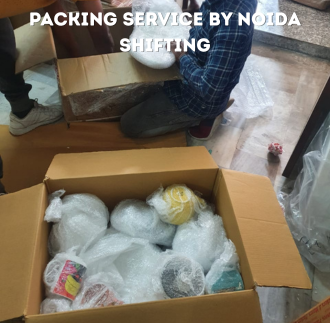
Professional packing is the foundation of a successful move. Proper packing protects your belongings from damage, makes loading/unloading efficient, and ensures nothing gets lost during transit. This comprehensive guide covers expert packing techniques for every type of item in your home or office.
Table of Contents
- 1. Why Professional Packing Matters
- 2. Essential Packing Materials & Supplies
- 3. Room-by-Room Packing Guide
- 4. Packing Fragile & Delicate Items
- 5. Packing Electronics & Appliances
- 6. Furniture Packing & Protection
- 7. Labeling & Inventory System
- 8. Common Packing Mistakes to Avoid
- 9. DIY vs Professional Packing
- 10. Packing Timeline & Schedule
1. Why Professional Packing Matters
Many people underestimate the importance of proper packing. Here's why professional packing services make a significant difference:
Benefits of Professional Packing
- Damage Prevention: Proper techniques reduce breakage by up to 90%
- Time Efficiency: Professionals pack 3-4 times faster than DIY
- Space Optimization: Expert packing uses box space efficiently
- Insurance Coverage: Professionally packed items are better covered
- Stress Reduction: Focus on other moving tasks
- Proper Materials: Access to quality packing supplies
- Heavy Items: Safe packing of bulky and awkward items
Packing Statistics
2. Essential Packing Materials & Supplies
Having the right packing materials is crucial. Here's what you'll need:
Standard Packing Supplies
| Material | Purpose | Quantity (2BHK) |
|---|---|---|
| Small Boxes (1.5 cu ft) | Books, heavy items, kitchen items | 15-20 boxes |
| Medium Boxes (3 cu ft) | Clothes, toys, general items | 20-25 boxes |
| Large Boxes (4.5 cu ft) | Bedding, pillows, light items | 10-15 boxes |
| Wardrobe Boxes | Hanging clothes | 2-4 boxes |
| Dish Pack Boxes | Dishes, glassware | 2-3 boxes |
| Bubble Wrap | Fragile item protection | 2-3 rolls |
| Packing Paper | Wrapping, void fill | 5-10 kg |
| Packing Tape | Sealing boxes | 5-6 rolls |
| Markers | Labeling | 3-4 markers |
| Labels/Stickers | Color coding, fragile marking | 1-2 packs |
Specialty Packing Materials
- Moving Blankets: Furniture protection
- Stretch Wrap: Securing drawers, bundling items
- Foam Pouches: Plates, dishes protection
- Corner Protectors: Furniture and frame corners
- Mattress Bags: Mattress protection
- TV Boxes: Flat-screen TV protection
- Mirror Boxes: Mirrors and artwork
- Anti-static Bubble Wrap: Electronics
Pro Tip: Don't Skimp on Materials
Quality packing materials cost only 2-3% of your total moving budget but can prevent damages worth thousands. Our packing service includes all premium materials at no extra cost.
3. Room-by-Room Packing Guide
A systematic approach makes packing manageable. Here's how to pack each room:
Bedroom Packing
- Clothes: Use wardrobe boxes for hanging items, vacuum bags for off-season clothes
- Bedding: Large boxes or bags; can be used as cushioning for fragile items
- Mattress: Use mattress bag to keep clean during transport
- Jewelry: Pack in original boxes or small containers; carry valuables personally
- Shoes: Pack in original boxes or wrap individually
- Nightstand Items: Small box labeled clearly
Kitchen Packing
Kitchen is often the most challenging room. Here's the proper approach:
- Dishes: Wrap each plate in packing paper, stack vertically (like records)
- Glasses: Stuff inside with paper, wrap completely, use cell boxes
- Pots & Pans: Nest together with paper between, wrap handles
- Appliances: Original boxes if available, otherwise wrap thoroughly
- Knives: Use blade guards or wrap in cardboard
- Spices: Seal in zip-lock bags to prevent spills
- Pantry Items: Pack sealed items, dispose of open/perishable items
Living Room Packing
- Books: Small boxes only (they're heavy!), spine down
- Electronics: Original boxes preferred, otherwise professional wrapping
- Decorations: Individual wrapping, cushioned boxes
- Artwork: Mirror boxes or custom crating
- Lamps: Remove shades, pack separately
- Curtains/Drapes: Wardrobe boxes or folded in large boxes
Bathroom Packing
- Toiletries: Seal all bottles, pack in plastic bags in case of leaks
- Medicines: Pack separately, carry personally for quick access
- Towels: Use as padding for fragile items or pack in large boxes
- Cosmetics: Small box, protect glass containers
Home Office Packing
- Documents: File boxes, keep important documents with you
- Computer: Special handling (see electronics section)
- Books: Small boxes, don't overpack
- Office Supplies: Medium boxes, secure loose items
Kitchen Packing Checklist
- Defrost and clean refrigerator 24 hours before
- Empty and clean oven and microwave
- Dispose of perishable food items
- Seal all spice containers
- Wrap each dish individually
- Use cell boxes for glasses
- Pack heavy items in small boxes
- Secure knife blades
- Drain and clean small appliances
- Label "FRAGILE - KITCHEN" clearly
4. Packing Fragile & Delicate Items
Fragile items require special attention to prevent damage. Follow these professional techniques:
General Fragile Packing Rules
- Wrap Individually: Each item wrapped separately
- Cushion Bottom: 2-3 inches of padding at box bottom
- Fill Gaps: No empty spaces where items can shift
- Cushion Top: Padding on top before closing
- Double Box: Put fragile box inside larger box for extra protection
- Label Clearly: "FRAGILE" on all sides
Glassware Packing
- Stuff inside of glass with crumpled packing paper
- Wrap glass completely with bubble wrap
- Secure with tape
- Place in cell box or create cardboard dividers
- Store upright, never flat
- Don't stack glasses on top of each other
China & Dishes Packing
- Wrap each piece in packing paper
- Use foam pouches for extra protection
- Stack plates vertically (on edge, not flat)
- Use dish pack boxes with dividers
- Place heaviest items at bottom
- Maximum 4-5 plates per stack
Artwork & Mirrors Packing
- Apply painter's tape in "X" pattern on glass
- Cover with cardboard on both sides
- Wrap in bubble wrap
- Place in mirror box or picture box
- Mark "GLASS" and "THIS SIDE UP"
- Never lay flat in truck
Antiques & Collectibles
- Photograph each item from multiple angles
- Use acid-free packing materials
- Consider custom crating for valuable pieces
- Get appraisal for insurance purposes
- Pack similar items together
- Consider our specialty packing service
Never Do This with Fragile Items
- Never use newspaper (ink transfers to items)
- Never pack without bottom cushioning
- Never overload boxes with fragile items
- Never shake box to "settle" items
- Never place heavy items on top of fragile boxes
- Never forget to label as FRAGILE
5. Packing Electronics & Appliances
Electronics require special handling due to their sensitivity to shock, static, and temperature changes:
Television Packing
- Take photo of cable connections
- Remove all cables, pack separately in labeled bag
- If you have original box, use it
- Otherwise, wrap screen with foam or soft cloth
- Cover with bubble wrap
- Use TV-specific box or create custom box
- Always transport upright, never flat
- Mark "THIS SIDE UP" and "FRAGILE"
Computer Packing
- Desktop:
- Back up all data first
- Remove and pack hard drives separately (or carry personally)
- Use anti-static bubble wrap
- Original box is best
- Laptop:
- Back up data
- Pack in laptop bag
- Carry personally if possible
- Cables & Accessories:
- Label each cable
- Bundle with cable ties
- Pack in separate labeled bag
Home Appliances
| Appliance | Preparation Steps |
|---|---|
| Refrigerator | Defrost 24-48 hours before, empty, clean, secure doors with tape |
| Washing Machine | Disconnect, drain completely, secure drum with transit bolts |
| Microwave | Clean, secure turntable, wrap and box |
| Air Conditioner | Professional uninstallation recommended, drain condensation |
| Water Purifier | Drain water, disconnect, pack filters carefully |
| Mixer/Grinder | Clean, pack blades separately, wrap securely |
Save Your Original Boxes
Original packaging is designed specifically for your electronics. If you still have them, use them! They provide the best protection. Our packing team carries specialized boxes for TVs and electronics.
6. Furniture Packing & Protection
Furniture is bulky and expensive. Proper protection prevents scratches and damage:
Furniture Preparation Steps
- Empty Contents: Remove all items from drawers and shelves
- Disassemble: Take apart what can be safely dismantled
- Keep Hardware: Put screws, bolts in labeled bags, tape to furniture
- Photograph: Take pictures for reassembly reference
- Clean: Dust and wipe down before wrapping
Furniture Wrapping Techniques
- Wooden Furniture:
- Cover with moving blankets
- Protect corners with cardboard corners
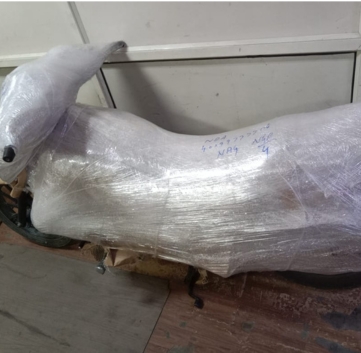
- Secure with stretch wrap (not directly on wood)
- Upholstered Furniture:
- Cover with plastic covers or stretch wrap
- Protect from dust and moisture
- Avoid placing heavy items on top
- Glass-top Tables:
- Remove glass top if possible
- Pack glass separately using mirror box techniques
- Protect table base with blankets
- Mattresses:
- Use mattress bags
- Transport flat, not folded
- Don't place heavy items on top
Furniture That Needs Disassembly
- Beds (headboard, footboard, rails)
- Dining tables with removable legs
- Modular wardrobes
- Sectional sofas
- Office desks
- Bookshelves (if very tall)
Need help with furniture handling? Our team provides complete disassembly, packing, and reassembly services.
View Furniture Moving Services →7. Labeling & Inventory System
A good labeling system makes unpacking efficient and ensures nothing gets lost:
Effective Labeling Tips
- Label on multiple sides (top and at least two sides)
- Use large, clear handwriting or printed labels
- Include room destination and brief contents
- Mark "FRAGILE" and "THIS SIDE UP" where needed
- Number boxes for inventory tracking
Color Coding System
| Color | Room |
|---|---|
| Red | Kitchen |
| Teal | Master Bedroom |
| Blue | Kids Room |
| Green | Living Room |
| Yellow | Bathroom |
| Gray | Garage/Storage |
| Purple | Home Office |
Creating an Inventory List
Maintain a master inventory for tracking and insurance:
- Number each box sequentially
- List contents of each box
- Note condition of valuable items
- Take photos of high-value items
- Keep digital and physical copies
- Check off items at destination
Sample Inventory Entry
Box #: 15
Room: Kitchen
Color Code: Red
Contents:
- Dinner plates (8)
- Soup bowls (6)
- Serving platter (1)
- Gravy boat (1)
Special Notes: FRAGILE - Handle with care
Condition: Good
8. Common Packing Mistakes to Avoid
Avoid these frequent packing errors that lead to damage and stress:
Top 10 Packing Mistakes
-
Overloading Boxes
Heavy boxes break and are hard to carry. Keep boxes under 25 kg.
-
Using Wrong Box Sizes
Heavy items in large boxes = broken boxes. Use small boxes for heavy items.
-
Not Filling Empty Spaces
Items shift and break during transit. Fill all gaps with paper or bubble wrap.
-
Skipping Labels
Unlabeled boxes cause unpacking chaos. Label everything clearly.
-
Packing Hazardous Materials
Flammables, corrosives, and pressurized items are dangerous. Dispose properly.
-
Leaving Items in Drawers
Heavy drawers damage furniture. Empty all furniture before moving.
-
Using Newspaper for Wrapping
Ink transfers to items. Use packing paper instead.
-
Waiting Until Last Minute
Rush packing leads to poor protection. Start 4-6 weeks early.
-
Not Creating Essentials Box
You'll need immediate items. Pack a separate "First Night" box.
-
Packing Valuables with Other Items
Important documents, jewelry, and medications should be carried personally.
Items You Should NEVER Pack for Moving
- Flammable liquids (gasoline, lighter fluid, paint thinner)
- Explosives (fireworks, ammunition)
- Corrosives (batteries with acid, pool chemicals)
- Perishable food items
- Plants (many moving companies won't transport)
- Pets (need special transport arrangements)
- Personal important documents (carry yourself)
- Medications (keep with you)
9. DIY vs Professional Packing
Should you pack yourself or hire professionals? Here's a comparison:
| Factor | DIY Packing | Professional Packing |
|---|---|---|
| Cost | Lower (materials only) | Higher (labor + materials) |
| Time Required | 2-4 weeks | 1-2 days |
| Quality | Variable (depends on skill) | Consistently high |
| Insurance Coverage | Limited protection | Full coverage available |
| Stress Level | High | Low |
| Damage Risk | Higher | Lower |
| Materials | Need to purchase | Included |
| Best For | Small moves, tight budgets | Large moves, valuable items, busy schedules |
When to Choose Professional Packing
- You have many fragile or valuable items
- You're short on time
- You have a large home (3+ bedrooms)
- You want insurance coverage
- You have antiques or artwork
- You're relocating for work (employer may cover costs)
Get Professional Packing Quote
Our experts provide fast, safe packing with complete insurance coverage.
View Packing Services10. Packing Timeline & Schedule
Follow this timeline for organized, stress-free packing:
6 Weeks Before Moving
- Start decluttering - donate, sell, or dispose of unwanted items
- Begin collecting packing supplies
- Create inventory of valuable items
4 Weeks Before Moving
- Pack rarely used items (decorations, seasonal items)
- Pack books, CDs, DVDs
- Start packing guest room/spare room
3 Weeks Before Moving
- Pack most closets
- Pack garage and storage items
- Continue with non-essential items
2 Weeks Before Moving
- Pack most of each room except essentials
- Begin packing kitchen (keep essentials out)
- Pack artwork and decorations
1 Week Before Moving
- Pack remaining kitchen items
- Pack electronics (after backing up data)
- Prepare "First Night" essentials box
Day Before Moving
- Pack remaining personal items
- Empty and clean refrigerator
- Finish any remaining packing
- Prepare snacks for moving day
First Night Essentials Box
Pack These for Immediate Access
- Toiletries and medications
- Phone chargers
- Change of clothes for each family member
- Basic cleaning supplies
- Paper plates, cups, plastic utensils
- Snacks and water bottles
- Toilet paper
- Towels
- Bed sheets and pillows
- Important documents
- Pet supplies (if applicable)
- Kids' essentials (if applicable)
Conclusion
Proper packing is the foundation of a successful move. Whether you choose to pack yourself or opt for professional packing services, following these guidelines will ensure your belongings arrive safely at your new home.
Remember: invest time in packing properly, use quality materials, label everything clearly, and don't hesitate to seek professional help for valuable or fragile items. A little extra effort in packing saves you from the heartbreak of damaged belongings.
Key Takeaways
- Use quality packing materials - it's worth the investment
- Pack room by room systematically
- Wrap fragile items individually with proper cushioning
- Label boxes clearly with contents and destination room
- Use color coding for easy identification
- Keep an inventory list for tracking
- Pack a "First Night" essentials box
- Start early - don't rush the packing process
- Consider professional packing for valuable items

Frequently Asked Questions About Packing
How long before moving should I start packing?
Start packing at least 4-6 weeks before your moving date. Begin with rarely used items and gradually work towards everyday essentials. If you have a large home (3+ bedrooms), start even earlier. Our professional packers can complete packing in 1-2 days if you're short on time.
How many boxes do I need for a 2BHK apartment?
For a typical 2BHK apartment, you'll need approximately 40-50 boxes of various sizes: 15-20 small boxes, 20-25 medium boxes, and 10-15 large boxes. You'll also need specialty boxes for dishes, wardrobes, and TVs. Our packing service includes all necessary boxes and materials.
What's the best way to pack dishes and glassware?
Wrap each piece individually in packing paper, then bubble wrap. Pack plates vertically (like records) rather than flat. For glasses, stuff the inside with paper before wrapping. Use cell boxes with dividers for best protection. Always cushion the bottom and top of boxes with 2-3 inches of packing paper.
How much does professional packing service cost?
Professional packing costs typically range from ₹3,000-₹8,000 for a 1BHK, ₹6,000-₹12,000 for a 2BHK, and ₹10,000-₹20,000 for a 3BHK, including materials. Costs vary based on the volume of items and specialty items. Contact our packing team for an accurate quote.
Should I pack items in dresser drawers?
It's not recommended. Heavy drawers make furniture difficult to move and can cause damage. Remove all items from drawers and pack them separately in boxes. For light items like clothes, you may leave them if the furniture will be wrapped in plastic and the drawers can be secured.
Need Packing Services?
Request a survey and written quote based on your move requirements.
Related moving guides